
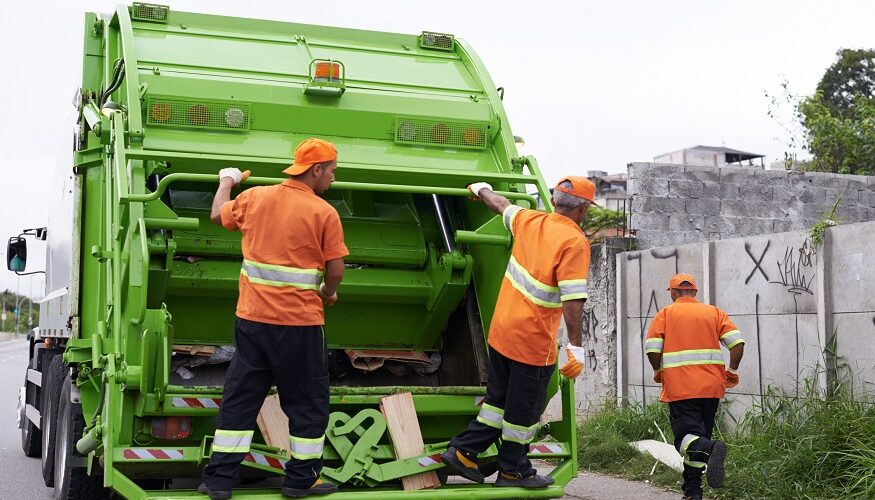
A rear loader garbage truck is a complex vehicle designed for efficient waste collection. Understanding its main parts and components helps operators, fleet managers, and buyers maintain the truck, troubleshoot problems, and optimize performance. Each component plays a specific role in ensuring smooth, safe, and reliable operation.
The Chassis
The chassis is the foundation of a rear loader garbage truck. It supports the weight of the cab, body, hydraulic systems, and collected waste. A strong, durable chassis is critical for handling heavy loads and providing stability during stop-and-go urban routes. Most rear loaders use heavy-duty steel frames with reinforced suspension systems to manage frequent compaction and fully loaded trips.
The Cab
The cab is where the driver controls the truck. Modern rear loader cabs are designed for comfort and safety, featuring adjustable seats, ergonomic controls, and clear visibility. Some models include digital dashboards that monitor hydraulic systems, compaction cycles, and fuel levels. The cab is also the primary safety zone, with seatbelts, airbags, and reinforced structures protecting the operator.
Rear Hopper
The rear hopper is the area where waste is loaded into the truck. This component is engineered for ease of use, allowing workers to deposit garbage quickly and efficiently. Many hoppers include anti-slip surfaces, wide openings, and reinforced steel panels to withstand repeated loading of heavy or bulky items. The hopper design directly impacts loading speed and crew efficiency.
Hydraulic Compaction System
The hydraulic compaction system is the heart of a rear loader garbage truck. It moves and compresses waste from the hopper into the truck body. The system includes hydraulic pumps, cylinders, rams, and control valves. High-quality hydraulics provide consistent compaction, extend truck life, and reduce maintenance costs. The operator can adjust the compaction force based on the type of waste being collected.
Waste Body / Storage Compartment
The storage compartment is where the compacted waste is held until disposal. These bodies are made of durable steel to resist wear and corrosion from heavy and wet waste. Some models feature divided compartments for different waste types, while others have a single, large storage area. Efficient body design maximizes load capacity and minimizes trips to disposal sites.
Tailgate and Ejector Mechanism
The tailgate and ejector mechanism allow the truck to empty its contents at landfills or transfer stations. The tailgate opens hydraulically, while the ejector blade pushes waste out smoothly and completely. This system ensures fast discharge, reduces manual labor, and prevents leftover waste from sticking inside the truck body.
Engine and Transmission
Rear loader garbage trucks typically use diesel engines for power and durability. The engine provides the force needed for driving, operating hydraulics, and performing compaction cycles. Transmissions can be automatic or manual, and the drivetrain configuration (single or tandem rear axles) affects load distribution and traction. Modern engines often comply with emissions standards and may use alternative fuels such as CNG or hybrid systems.
Safety and Control Components
Safety components include rear-view cameras, warning alarms, emergency stop switches, and interlock systems that prevent operation when conditions are unsafe. Control panels give operators real-time information about hydraulic pressures, compaction status, and system alerts. These components are essential for protecting both operators and pedestrians.
Suspension, Tires, and Brakes
Suspension systems absorb shocks from uneven urban streets and fully loaded trips, protecting the chassis and improving ride comfort. Heavy-duty tires provide traction and durability, while braking systems, often including air brakes, ensure safe stopping even under maximum load. Proper maintenance of these components is critical for operational safety and reliability.
Electrical and Auxiliary Systems
Modern rear loader trucks include electrical systems for lighting, sensors, cameras, and telematics devices. Auxiliary components, such as backup alarms, cab heaters, and onboard diagnostics, improve safety, comfort, and fleet management. Well-integrated electrical systems also support preventive maintenance by alerting operators to potential issues before breakdowns occur.