
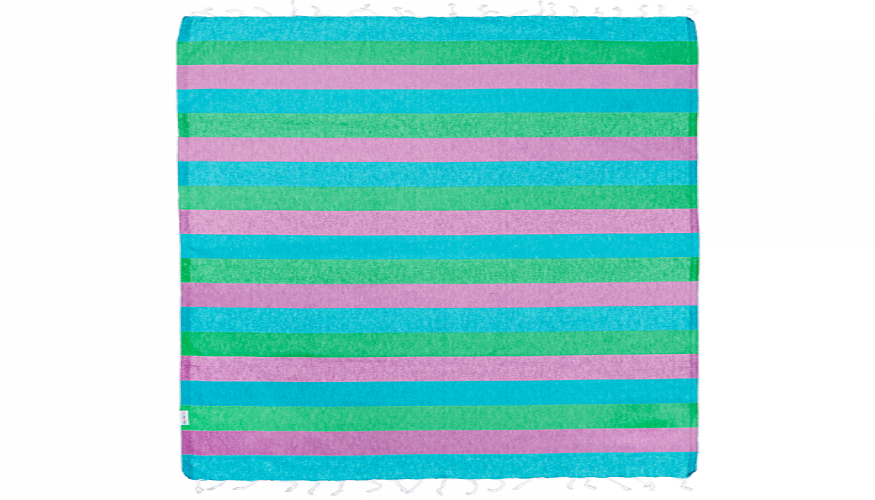
Your towels don’t need to shout to make an impression—they command attention by the way they quietly shape your experience. A room feels different when the textiles touch skin the right way. Open shelves that harbor the right colors of foldableand curated towels radiate calmness, order, luxury, and visual pleasure. That’s the subtle genius of Turkish quality cotton towels: they don’t just exist—they transform moments, spaces, and expectations without ever needing to explain themselves.
1.The Functional Versatility That Expands Revenue Streams
One product category rarely satisfies the expectations of hotels, retailers, and modern consumers. The secret advantage of Turkish towels is that the same item shifts roles effortlessly depending on the context. And when a product adapts, your business becomes more agile too.
For hospitality buyers, the appeal is straightforward:
- Quick-drying textiles reduce housekeeping turnover time
- Lightweight designs lower laundry costs
- Multipurpose use (sauna, spa, poolside, room towel) simplifies procurement
- Wearable comfort under the sun: Lightweight Turkish towels double as wraps, sarongs, or cover-ups, letting guests move effortlessly from pool to beach while staying cool and stylish in the heat.
Retailers, on the other hand, benefit from the “multi-life” appeal. One towel becomes a beach accessory, a shawl, a travel staple, or a home accent. That means a single SKU captures several customer intentions without increasing shelf complexity.
And for conscious shoppers? They love objects that justify their place in a smaller, more intentional home. They want fewer things that do more, beautifully. When they discover a towel that becomes their picnic throw, gym companion, and weekend wrap, you’re not selling a textile—you’re selling a lifestyle ecosystem built on simplicity and function.
2.When Material Speaks Before Marketing: The Power of Turkish Cotton
If the fiber isn’t right, the rest is theater. Turkish cotton does the heavy lifting before anyone even reads a label. Long-staple fibers, flat-woven construction, and a softness that improves with use—these aren’t marketing points. They’re credibility in material form.
For hotels and spas, it says, “We care about every touchpoint.” For boutique shelves, it signals craftsmanship and taste. For conscious consumers, it says, “I’m worth something better.” And the beauty is, nobody has to justify it—guests feel it, shoppers notice it, and buyers nod in quiet approval.
That performance of hammamas is what buyers, retailers, and consumers trust long before brand language enters the room.
You’re not just selling softness or durability. You’re offering the confidence that:
- Towels won’t lose structure after multiple washes
- Damp environments won’t lead to mildew complaints
- Guests will feel the difference instantly; Invites sensory trust from the first touch
- Boutique shoppers will recognize craftsmanship without needing persuasion
This is where specialization matters. Anyone can stock a towel. But offering a textile with a verifiable performance lineage positions you as someone who understands longevity, hospitality-grade function, and the kind of sensory value that conscious customers increasingly demand. In environments where every touchpoint shapes perception—guest rooms, spas, curated shelves, personal rituals—material quality becomes part of your professional credibility.
3. Hospitality’s Secret Edge: Designing Guest Experience Through Texture
Modern guests subconsciously judge a room the moment they touch something? Texture and sensual touch are the unsung language of hospitality. A random towel whispers “we cut corners.” A thick terry towel says “traditional,” but can feel cumbersome. A hammamas? It speaks fluently in refinement, breathability, and intent.
Hotels and spas use it to choreograph the guest journey: post-sauna cool-downs, poolside moments, or a bath ritual. Guests don’t log the tactile pleasure consciously, but they remember it. That memory becomes a subtle reason to return.
Even better, these Turkish towels align with modern aesthetics and value preposition standards; minimalistic designs, aesthetic appeal with soft color finishes, sustainable body furnishing with quality fibers. They don’t just occupy space, they elevate it.
For professionals, this is where the real work happens: designing experiences where details earn loyalty quietly, consistently, and elegantly. You’re not adding more—you’re refining everything the guest interacts with.
4.Retail Partners and Boutique Owners: The Story That Sells Itself
Retailers know one universal truth: customers are fatigued by generic home goods. They’re craving pieces with a story they can connect to—something they feel they “discovered,” not something mass-produced and emotionless. Turkish towels deliver that narrative organically.
A strong retail pitch doesn’t have to rely on exaggerated claims. You simply guide customers toward what matters:
- Handwoven heritage
- Centuries-oldhammam culture
- Patterns that reflect regional identity
- Textiles that soften and evolve with use
- Ethical production supporting artisan communities
When products carry genuine cultural depth, shoppers lean in. Well integrated Turkish towel collection helps you to align effortlessly with different settings such as coastal, Scandinavian, boho, or spa-luxe aesthetics. The towels aren’t just products, they’re conversation starters, gifting solutions, and photography-ready showpieces.
This is the radical part: you don’t have to oversell. The story sells itself.
5. Consumers: Modern Living Needs Textiles That Perfect What You Do
The Turkish cotton towel is not a simple item; it is a strategic textile engineered to perfect the modern consumer’s pursuit of efficiency, versatile utility, and conscious style.
A single high-quality towel becomes:
- A post-shower essential
- A quick-dry companion for yoga or fitness
- A beach or travel towel that doesn’t hog luggage space
- A wrap or shawl for cool nights
- A lightweight throw for minimal home decor
People no longer want seasonal objects with singular purposes. They want textiles that transition with them through their days. And when a Peshtemal softens further with every wash, owners feel the relationship deepen. It’s not a fast-fashion purchase—it’s a textile that earns its place in their lives.
This is where expertise matters. When you guide customers based on experience rather than hype, they trust you. You’re not just selling a towel; you’re recommending a solution that respects their space, their routines, and their values.
6. The Culture and Craftsmanship Behind a Modern Brand
Turkish towels aren’t detached commodities—they’re heirlooms in disguise. Hammam culture, centuries-old weaving techniques, and artisan skill infuse each towel with subtle authority. This is where brand strategy meets human values: buyers, retailers, and consumers want provenance and purpose.
Focus on:
- Who wove the textile?
- What materials were used?
- Whether the production supports artisan livelihoods
- How the craft is being preserved in a modern market
This is where you differentiate yourself with the right hammamas brand, through professionalism and intentionality. You become the bridge between ancient technique and contemporary application. And when you communicate that with transparency, you create a brand identity built on trust, not theatrics.
A product with cultural weight becomes more than inventory—it becomes a signature.
In essence, the intelligence in stocking your towels is about identifying the right brand that carries thoughtful designs and authentic materials that carry their own reputation. Whether you’re curating a spa, refining a boutique collection, enhancing your coastal retreats, or simplifying your home, Turkish cotton towels reward with effortless luxury, enduring performance, and a tactile sense of care that elevates every ritual they touch. They don’t just serve a purpose—they signal quality, foster trust.